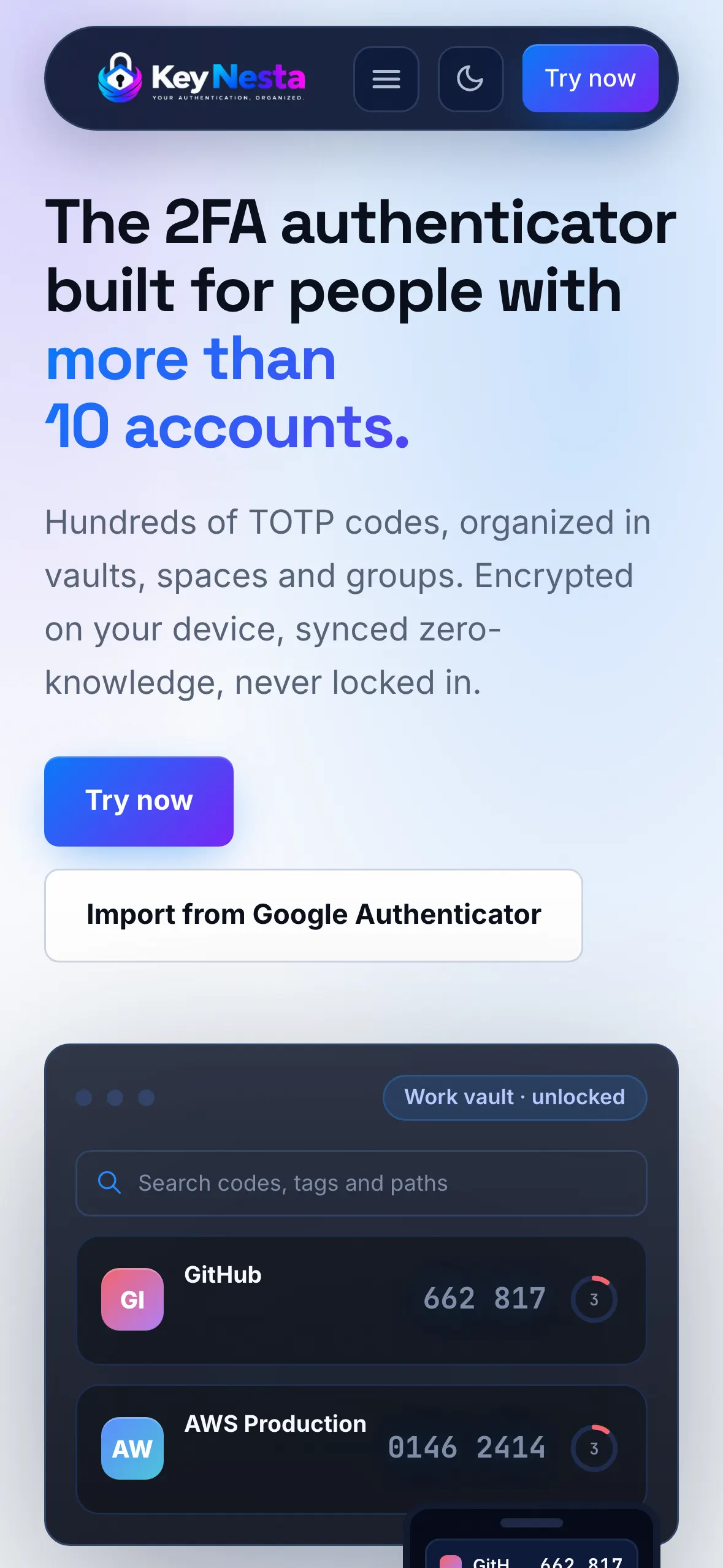
KeyNesta
Security softwareTwo factor authenticator with encrypted backup and sync
Read the case studyOpen keynesta.comMobile apps for your SaaS: Capacitor over the web platform, native when it matters.
BitsSolved is a software studio in Tamil Nadu, India that builds iOS and Android apps for SaaS products, as companion apps with Capacitor over the web platform or native in SwiftUI and Kotlin, and handles store submission. For a SaaS product the first mobile decision is not code, it is whether you need an app at all, or a companion to the web platform. Most agencies sell whichever they staff. We advise on your actual requirements.
SwiftUI and Kotlin apps for camera, offline and animation-heavy products, with platform-correct design.
Capacitor packages your web application for both stores. For content, forms and dashboards it is dramatically cheaper.
Listings, screenshots, signing and review-cycle handling until the app is live.
Scope is written per phase; this is the full list for mobile apps.
Stack: SwiftUI, Kotlin, Capacitor, Go backends.
Four steps, each with its own written scope and fixed quote. You can stop after any of them and keep everything built so far.
Requirements first, platform second, with a recommendation you can hold us to.
Working builds on your own phone through TestFlight and Play internal testing, as the app takes shape.
Submission, review handling and launch-day support for both stores.
Crash monitoring, analytics and the updates that keep the app healthy.
Real captures of the real sites. Open them and judge the engineering yourself.
Two factor authenticator with encrypted backup and sync
Read the case studyOpen keynesta.com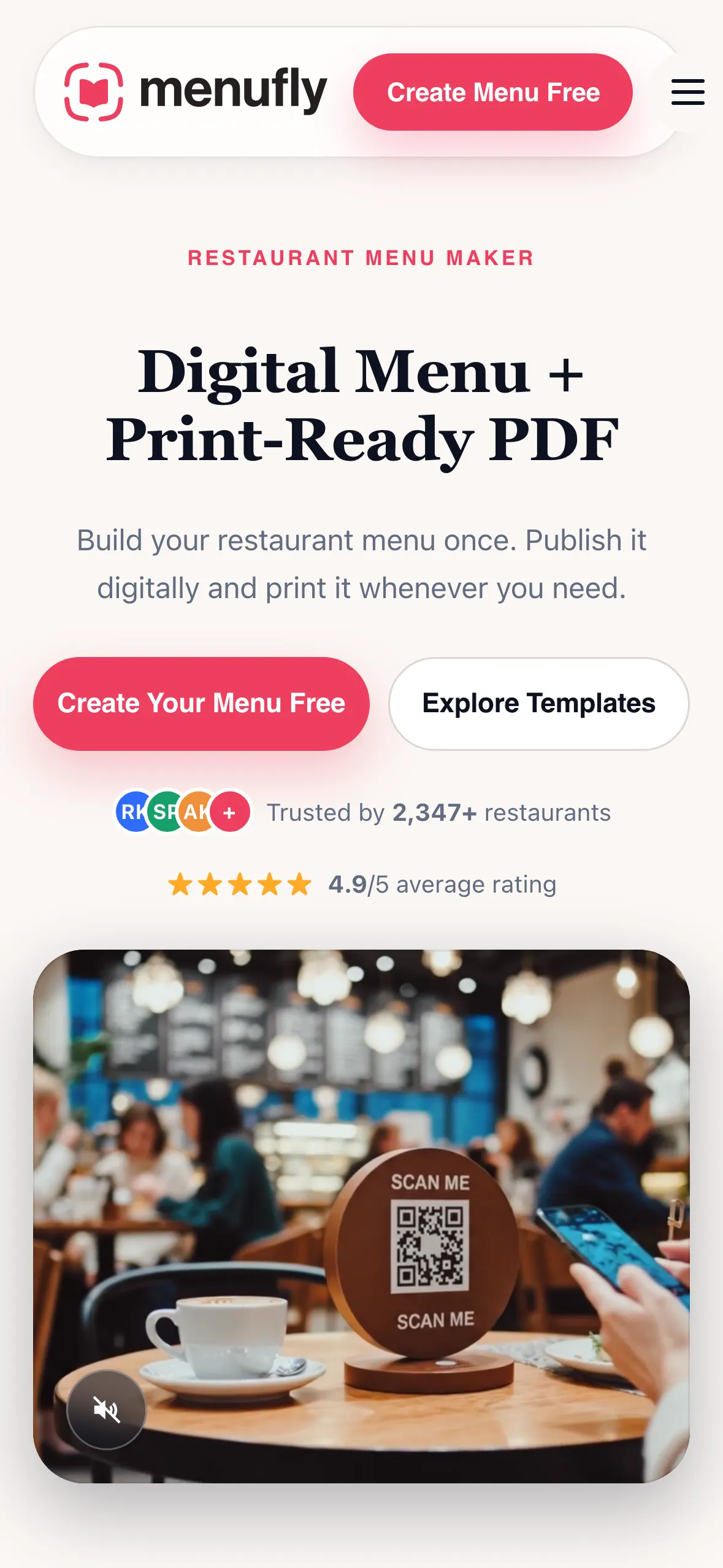
Restaurant menu design, printing and QR menu software
Read the case studyOpen menufly.appThe first call is free and is mostly us asking questions. After it you get the scope in writing and a fixed quote for the first phase.
What happens next